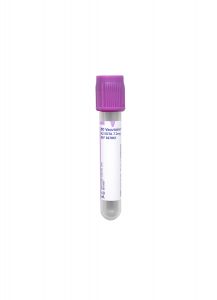
May 2019: Upcoming Test Changes, Updates, and Discontinuations

Special Communication

May 2019: Upcoming Test Changes, Updates, and Discontinuations

Changes to Reference Ranges

Effective April 24, 2019.

Trypsinogen (TRYPSI)

0 – 17 Years:
Not established

18 Years & Older:
180.5 – 885.3 ng/mL

Changes to Specimen Requirements

Effective May 20, 2019.

Drug Detection Panel, TOF-MS, Umbilical Cord Tissue (DRGTOF)

Volume:
8 inches of umbilical cord (approximately the width of a sheet of paper)

Minimum Volume:
6 inches

Collection Instructions:
Drain and discard any blood. Rinse the exterior of the cord segment with normal saline or water. Pat the cord dry and transport the specimen in a routine urine collection cup or use a Security Kit for Meconium/Umbilical Drug Detection.

Transport Temperature:
Refrigerated

Reference Range:
Gabapentin: Cut-off 10 ng/g
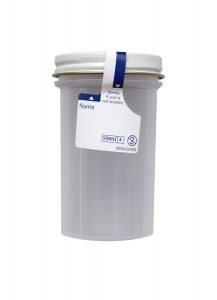
Buprenorphine-G will be removed; all other reference ranges will remain the same.

Drug Detection Panel, Umbilical Cord Tissue, with Marijuana Metabolite (DTOFMP)

Volume:
8 inches of umbilical cord (approximately the width of a sheet of paper)

Minimum Volume:
8 inches

Collection Instructions:
Drain and discard any blood. Rinse the exterior of the cord segment with normal saline or water. Pat the cord dry and transport the specimen in a routine urine collection cup or use a Security Kit for Meconium/Umbilical Drug Detection.

Transport Temperature:
Refrigerated

Reference Range:
Gabapentin: Cut-off 10 ng/g

Buprenorphine-G will be removed; all other reference ranges will remain the same.

Marijuana Metabolite, Umbilical Cord Tissue, Qualitative (DRGTHC)

Volume:
8 inches of umbilical cord (approximately the width of a sheet of paper)

Minimum Volume:
6 inches

Collection Instructions:
Drain and discard any blood. Rinse the exterior of the cord segment with normal saline or water. Pat the cord dry and transport the specimen in a routine urine collection cup or use a Security Kit for Meconium/Umbilical Drug Detection.

Transport Temperature:
Refrigerated

Test Build Changes

These updates may require changes to the Test Build for interfaced clients.

Effective May 20, 2019.

Disopyramide (Norpace) (DISOP)

Drug Detection Panel, TOF-MS, Umbilical Cord Tissue (DRGTOF)

Drug Detection Panel, Umbilical Cord Tissue, with Marijuana Metabolite (DTOFMP)

Ethosuximide (ETHOS)

Discontinued Tests

Effective May 20, 2019.

5-Fluorouracil Toxicity, Chemo Response, 5 Mut (5FLUO)
We suggest ordering Dihydropyrimidine Dehydrogenase (DPYD), 3 Variants (5FUDPD).

Cytochrome P450 2D6 (CYP2D6) Geno (2D6GEN)
We suggest ordering the new test, CYP2D6 (Cytochrome P450 2D6) (2D6GTP).

Cyto P450 2C19 – 9 Variants (2C19PL)
We suggest ordering the new test, CYP2C19 (Cytochrome P450 2C19) (2C19CY).

Warfarin Sensitivity Genotyping (WARSEN)
We suggest ordering new test Warfarin Sensitivity (CYP2C8, CYP2C9, CYP4F2, VKORC1) Genotyping (WRFSEN).

Fats, Urine (UFAT)

Changes to Specimen Requirements

Effective May 29, 2019.

Complement Deficiency Assay (COMPD)

Volume:
1 mL, serum

Minimum Volume:
0.25 mL

Collection Container:
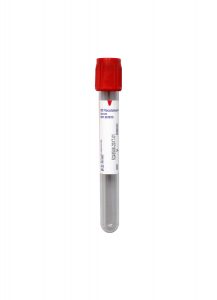
Red (Serum) No Additive Tube

Collection Instructions:
Allow sample to clot, then separate serum from cells as soon as possible. Centrifuge, then remove serum and freeze at minus 20°C or colder (up to 7 days post-draw). Minus 70 °C or colder is preferred and is acceptable up to 30 days post-draw.

Transport Temperature:
Frozen
Tryptase (TRYPT)

Reference Range:
< 8.4 µg/L

Test Build Changes

Effective June 24, 2019.

These updates may require changes to the Test Build for interfaced clients.

HIV-1 Integrase Genotype (HIVIGT)

Any additional information will be included in a future Technical Update.  If you have any questions about these changes, please contact Client Services for assistance.

March 2019: Changes to PR1433, GM1BM, OMEGAC

Immediate Test Changes

Changes to 14-3-3 Protein, CSF (PR1433), Ganglioside Antibody Panel (GM1BM), and OmegaCheck (OMEGAC)

14-3-3 Protein, CSF (PR1433)

Effective March 22, 2019.

Effective immediately, 14-3-3 Protein, CSF (PR1433) is discontinued with no recommended replacement.

The performing laboratory is evaluating new reagents; if these are found to be acceptable, this test may be reactivated in the future.

Ganglioside Antibody Panel (GM1BM)

Effective April 18, 2019.

Ganglioside Antibody Panel (GM1BM) will be discontinued on April 18, 2019.

We suggest ordering Ganglioside Antibodies (GANGAB).

OmegaCheck (OMEGA)

Effective April 22, 2019.

Changes to Reference Ranges

OmegaCheck:
> 5.4% by wt

Arachidonic Acid/EPA Ratio:
3.7 – 40.7

Omega-6/3 Ratio:
3.7 – 14.4

EPA:
0.2 – 2.3% by wt

DPA:
0.8 – 1.8% by wt

DHA:
1.4 – 5.1% by wt

Arachidonic Acid:
8.6 – 15.6% by wt

Linoleic Acid:
18.6 – 29.5% by wt

Any additional information will be included in a future Technical Update.  If you have any questions about these changes, please contact Client Services for assistance.

March 2019: Changes to Acceptable Clobazam (CLOBAZ) Specimen Types

Immediate Test Changes

Changes to Acceptable Clobazam (CLOBAZ) Specimen Types

Effective March 6, 2019.

Specimen Requirements

Volume:
0.5 mL, serum

Minimum Volume:
0.35 mL, serum

Collection Container:
Red BD Hemogard™ Serum Tube (No Additive)

Plasma is no longer an acceptable specimen type.
Serum from a gel tube remains unacceptable.

Specimen Instructions:
Draw specimen immediately before the next scheduled dose. Trough specimens are recommended, as therapeutic ranges are based on trough collections.

Centrifuge the specimen within two hours of collection, transfer the serum into a standard plastic aliquot tube, and transport refrigerated.

Transport Temperature:
Refrigerated

Any additional information will be included in a future Technical Update.  If you have any questions about these changes, please contact Client Services for assistance.

March 2019: Changes to IgG Subclass Reference Ranges

Immediate Test Changes

Changes to IgG Subclass Reference Ranges

Effective March 2, 2019.

IgG Subclass Testing

• IgG Subclass 4 (IGG4)

• IgG Subclasses (IGGSUB)

• IgG Subclasses 1, 2, 3, 4 (IG1234)

Reference Ranges

IgG Subclass 1
10 – 12 Years:  423.0 – 1060.0 mg/dL

IgG Subclass 4:
6 – 8 Years:  0.4 – 99.2 mg/dL

All other reference ranges will remain the same.

Any additional information will be included in a future Technical Update.  If you have any questions about these changes, please contact Client Services for assistance or email Kamran Kadkhoda, PhD, D(ABMLI) with medical questions.

CC-SIGN® NTRK Plus Gene Fusion Next-Generation Sequencing Panel

CC-SIGN® NTRK Gene Fusion Next-Generation Sequencing Panel

This NGS-based laboratory-developed test is designed to detect fusion events in NTRK1, NTRK2, and NTRK3, regardless of fusion partner.

Clinical information obtained from the CC-SIGN® NTRK Gene Fusion NGS Panel can determine if a patient is a candidate for TRK tyrosine kinase inhibitor treatment.

The US Food and Drug Administration (FDA) has approved the use of first-generation TRK tyrosine kinase inhibitors—including larotrectinib (Vitrakvi®) and entrectinib (Rozlytrek®)—to treat patients whose tumors harbor NTRK1, NTRK2, or NTRK3 fusions.

NTRK Fusions are Clinically Actionable

TRK tyrosine kinase inhibitors, such as larotrectinib and entrectinib, are drugs utilized to treat solid tumors with a neurotrophic receptor tyrosine kinase (NTRK) gene fusion without a known acquired resistance mutation. These drugs provide a treatment option to patients with no satisfactory alternative therapies or whose cancer has progressed following treatment, specifically in cases that are either metastatic or where surgical resection is likely to result in severe morbidity.1,2 This treatment targets cancers with NTRK fusions and is not limited by tissue or tumor type.

1. U.S. Food & Drug Administration. FDA approves larotrectinib for solid tumors with NTRK gene fusions. Available at https://www.fda.gov/Drugs/InformationOnDrugs/ApprovedDrugs/ucm626720.htm. [Online]  Updated Dec 17, 2018.
2. U.S. Food & Drug Administration. FDA approves entrectinib for NTRK solid tumors and ROS-1 NSCLC. Available at https://www.fda.gov/drugs/resources-information-approved-drugs/fda-approves-entrectinibntrk-solid-tumors-and-ros-1-nsclc [Online] Updated Aug 16, 2019.

Test Overview

Test Name

NTRK Gene Fusion NGS Panel (NTRK)

CPT Codes

81445, 88381

Turnaround Time

14 days (upon specimen receipt)

Specimen Requirements

Please include the original pathology report with any submitted specimens.

Ten (10) unstained, 4 µM sections of formalin-fixed, paraffin-embedded (FFPE) on charged, unbaked slides

One H&E stained slide with best tumor area circled by a pathologist (minimum of 20% tumor content for best results)

Transport Temperature

Room (ambient) temperature

Specimen Mailing Address

Cleveland Clinic Laboratories
2119 E. 93rd Street, L15
Cleveland, OH 44106

Specimens must be sent via UPS, FedEx, or DHL review our Shipping Information for more details.

Clinical Indications

This test is intended for determining NTRK gene fusion status to identify candidates for larotrectinib treatment.

Limitations

This test does not detect single nucleotide variants; some data show acquired kinase domain resistance mutations that are not interrogated by this test.

Interrogated Genes

NTRK1
NM_002529
Exons 2, 4, 6, 8, 10-14

NTRK2
NM_006180
Exons 5, 7, 9, 11-18

NTRK3
NM_001007156
Exon 15

NTRK3
NM_002530
Exons 4, 7, 10, 12-16

CC-SIGN® Solid Tumor Gene Fusion Next-Generation Sequencing Panel

CC-SIGN® Solid Tumor Gene Fusion Next-Generation Sequencing Panel

This customized, 59-gene Next-Generation Sequencing (NGS)-based laboratory-developed test is intended for use in the diagnosis and management of benign and malignant mesenchymal tumors (sarcomas and their mimics) as well as other solid tumors.

The CC-SIGN® Solid Tumor Gene Fusion NGS Panel is available as part of a comprehensive, diagnostic consultation or as a stand-alone test. This laboratory-developed test interrogates gene targets associated with known translocations in mesenchymal and other solid tumors. Additionally, this panel identifies the corresponding fusion partner and predicted exon breakpoints, which can be of diagnostic and prognostic significance. Fluorescence in situ hybridization-based testing is available for specific fusion questions.

Results are delivered within 14 days of specimen receipt, allowing for a timely, definitive diagnosis in difficult sarcoma and solid tumor cases in a stand-alone fashion or with the support of our expert pathologists.

Test Overview

Test Name

Solid Tumor Gene Fusion NGS Panel (SRCNGS)

CPT Codes

81445
88381

Turnaround Time

14 days (upon specimen receipt)

Specimen Requirements

Formalin-fixed, paraffin-embedded (FFPE) tissue
• Ten (10) unstained, 4 μM sections of FFPE on charged, unbaked slides
• One (1) H&E stained slide with best tumor area* circled by a pathologist

*minimum of 20% tumor content for best results

Transport Temperature

Room (ambient) temperature

Specimen Shipping Address

Cleveland Clinic Laboratories
2119 E. 93rd Street, L15
Cleveland, OH 44106

Specimens must be sent via UPS, FedEx, or DHL review our Shipping Information for more details.

Clinical Indications

This test is intended for the diagnosis of benign or malignant mesenchymal tumors (sarcomas & their mimics) as well as other solid tumors.

Targeted Gene Regions

Genes interrogated, including relevant transcripts and exons, are listed in alphabetical order.

A

Gene, Transcript, Exons

ABL1
NM_004304
2, 4, 6, 10, 16-23, 25, 26

B

Gene, Transcript, Exons

BCOR
NM_001123385
Exons 3-8, 12, 14, 15

BCOR
NM_017745
Exon 8

BRAF
NM_004333
Exons 1-5, 7-16, 18

C

Gene, Transcript, Exons

CAMTA1
NM_015215
Exons 3, 8-10

CCNB3
NM_033031
Exons 2-6

CIC
NM_015125
Exons 12, 17-20

CRTC1
NM_015321
Exons 1-4

CSF1
NM_000757
Exons 5-8

CSF1
NM_172212
Exon 9

E

Gene, Transcript, Exons

EPC1
NM_025209
Exons 9-11

ETV6
NM_001987
Exons 1-7

EWSR1
NM_005243
Exons 4-14

F

Gene, Transcript, Exons

FOS
NM_005252
Exon 4

FOSB
NM_006732
Exons 1, 2

FOXO1
NM_002015
Exons 1-3

FUS
NM_004960
Exons 3-11, 13, 14

G

Gene, Transcript, Exons

GLI1
NM_005269
Exons 4-7

H

Gene, Transcript, Exons

HMGA2
NM_003483
Exons 1-5

J

Gene, Transcript, Exons

JAZF1
NM_175061
Exons 2-4

M

Gene, Transcript, Exons

MAML2
NM_032427
Exons 2, 3

MEAF6
NM_001270875
Exons 4, 5

MKL2
NM_014048
Exons 11-13

MYB
NM_001130173
Exons 7-9, 11-16

N

Gene, Transcript, Exons

NCOA1
NM_147223
Exons 12-15

NCOA2
NM_006540
Exons 11-16

NCOA3
NM_006534
Exons 2, 13-16

NCOA3
NM_181659
Exon 20

NOTCH1
NM_017617
Exons 2, 4, 24-31

NOTCH2
NM_024408
Exons 5-7, 24-29

NOTCH3
NM_000435
Exons 25-30

NR4A3
NM_006981
Exon 2

NR4A3
NM_173200
Exons 3, 4

NTRK1*
NM_002529
Exons 2, 4, 6, 8, 10-14

NTRK2*
NM_006180
Exons 5, 7, 9, 11-18

NTRK3*
NM_001007156
Exon 15

NTRK3*
NM_002530
Exons 4, 7, 10, 12-16

NUTM1
NM_175741
Exons 2-4, 6

*A specimen positive for a fusion in one of these genes makes the patient a candidate for larotrectinib treatment.
Standalone NTRK testing is also available via the CC-SIGN® NTRK Gene Fusion NGS Panel.

P

Gene, Transcript, Exons

PAX3
NM_181459
Exons 6-8

PAX7
NM_002584
Exons 6-8

PDGFB
NM_002608
Exons 2, 3

PDGFD
NM_025208
Exons 5-7

PGR
NM_000926
Exons 1-3

PHF1
NM_024165
Exons 1, 2, 10-12

PLAG1
NM_002655
Exons 1-4

PRDM10
NM_199437
Exons 12, 13

PRKD1
NM_002742
Exons 10-13

R

Gene, Transcript, Exons

RAF1
NM_002880
Exons 4-12

RELA
NM_021975
Exons 3 , 4, 11

RET
NM_020630
Exons 2, 4, 6, 11, 15, 16

RET
NM_020975
Exons 8-14

ROS1
NM_002944
2, 4, 7, 31-38

S

Gene, Transcript, Exons

SRF
NM_003131
Exons 2-4

SS18
NM_001007559
Exons 2-6, 8-11

SS18
NM_005637
Exons 2, 3

STAT6
NM_001178078
Exons 1-7, 15-20

T

Gene, Transcript, Exons

TAF15
NM_139215
Exons 5-7

TCF12
NM_207036
Exons 4-6

TFE3
NM_006521
Exons 2-8

TFEB
NM_007162
Exons 1-4, 9

TFG
NM_006070
Exons 3-7

TRIM11
NM_145214
Exons 2, 3

U

Gene, Transcript, Exons

USP6
NM_004505
Exons 1-3

W

Gene, Transcript, Exons

WWTR1
NM_015472
Exons 3, 4

Y

Gene, Transcript, Exons

YAP1
NM_001130145
Exons 1-9

YWHAE
NM_006761
Exon 5

December 2018: Changes to RETAB, IA2AB, and PNHPNL Testing

Special Communication

Changes to RETAB, IA2AB, and PNHPNL Testing

Reticulin IgA and IgG Antibodies (RETAB)

Effective December 31, 2018.

Specimen Requirements

Volume:
0.8 mL, serum

Minimum Volume:
0.4 mL, serum

Collection Container:
Gold BD Hemogard™ Serum Separation Tube (SST)™

Alternate Container:
Red BD Hemogard™ Serum Tube

Specimen Instructions:
Centrifuge the specimen, then aliquot serum into a standard, non-sterile aliquot tube.

Transport Temperature:
Refrigerated


Insulinoma-Associated Antibody 2 (IA2AB)

Effective January 11, 2019.

Specimen Requirements

Volume:
0.5 mL, serum

Minimum Volume:
0.1 mL, serum

Collection Container:
Gold BD Hemogard™ Serum Separation Tube (SST)™

Transport Temperature:
Frozen

Stability

Ambient:
8 hours

Refrigerated:
48 hours

Frozen:
14 days

Other Information

Methodology:
Enzyme-Linked Immunosorbent Assay (ELISA)

Reference Range:
< 7.5 U/mL

Paroxysmal Nocturnal Hemoglobinuria (PNH) Panel by FCM (PNHPNL)

Effective January 15, 2019.

Stability

Ambient:
48 hours

Refrigerated:
Unacceptable

Frozen:
Unacceptable

Any additional information will be included in a future Technical Update.  If you have any questions about these changes, please contact Client Services for assistance.

Pathology Insights – Pleural Fluid: Cyto-Histo Correlation by Sanjay Mukhopadhyay, MD and Charles Sturgis, MD

Pathology Insights Video Series

Pleural Fluid: Cyto-Histo Correlation

Presented by Sanjay Mukhopadhyay, MD and Charles Sturgis, MD

A cytopathologist (Charles Sturgis, MD) and a thoracic pathologist (Sanjay Mukhopadhyay, MD) discuss their diagnostic approach on a case involving pleural fluid cytology and a concurrent pleural biopsy.

As part of our educational mission for our clients and communities, Cleveland Clinic Laboratories presents the Pathology Insights video series.
These short videos break down information about interesting pathology cases to better inform doctors, laboratory staff, patients, or anyone interested in the field of pathology. Each episode features important cases, methods, and practices that are personally presented by our staff pathologists.

November 2018: Changes to Melatonin (MELAT) Testing

Immediate Test Changes

Changes to Melatonin (MELAT) Testing

Effective November 14, 2018.

Specimen Requirements
3 mL plasma in a Lavender BD Hemogard™ K2EDTA Tube
Note: Draw two tubes to ensure adequate volume.

• Minimum volume: 1 mL

Specimen Collection
Patient Preparation: Fasting specimen preferred.

Centrifuge the tubes, then transfer plasma into a standard aliquot tube before freezing the specimen.

Transportation
• Transport Temperature: Frozen

Additional Information
Melatonin concentration varies with light and dark cycles: concentration is lower during the day and higher at night.Patients treated with pituitary or steroid hormones influence the concentration.  Hormones should be discontinued for two days prior to collection.

Alternative Specimen Types
• 3 mL serum in a Gold BD Hemogard™ Serum Separation Tube (SST)™

• 3 mL serum in a Red BD Hemogard™ Serum Tube (No Additive)

Any additional information will be included in a future Technical Update.  If you have any questions about these changes, please contact Client Services for assistance.
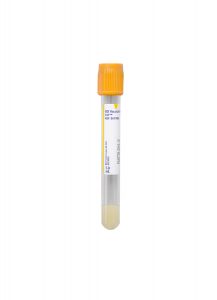
October 2018: Changes To COMPC1, COMP3A, & COMP4A Testing

Special Communication

Changes To COMPC1, COMP3A, & COMP4A Testing

Changes effective as of November 5, 2018.

Complement C 1 (COMPC1)

Separate specimens must be submitted when multiple tests are ordered.

Volume:
1 mL, serum

Minimum Volume:
0.25 mL

Collection Container:
Red BD Hemogard™ Serum Tube (No Additive)

Collection Instructions:
Allow blood to clot for 20 – 60 minutes at room temperature (or 37 °C), then centrifuge.  Aliquot serum into a standard aliquot tube, then freeze the specimen immediately on dry ice or at -70 °C.

Do not draw gel separator tubes.

Transport Temperature:
Critical Frozen – send the frozen specimen via Priority Overnight in a well-insulated container on dry ice.

Thawed specimens or specimens stored at or above -20°C will not be accepted.

Reference Range
• 116,373 – 264,072 units/mL

Complement Component Level 3A (COMP3A)

Separate specimens must be submitted when multiple tests are ordered.

Volume:
1 mL, plasma

Minimum volume:
0.5 mL

Collection Container:
Lavender BD Hemogard™ K2EDTA Tube

Collection Instructions:
Mix well. Centrifuge the specimen at room temperature within 30 minutes of collection, then transfer the plasma to a standard aliquot tube.  Immediately freeze the specimen on dry ice or at -70°C.

Transport Temperature:
Critical Frozen – send the frozen specimen via Priority Overnight in a well-insulated container on dry ice.

Thawed specimens or specimens stored at or above -20°C will not be accepted.

Reference Range
• 0 – 780 ng/mL

Complement Component Level 4A (COMP4A)

Separate specimens must be submitted when multiple tests are ordered.

Volume:
1 mL, plasma

Minimum volume:
0.5 mL

Collection Container:
Lavender BD Hemogard™ K2EDTA Tube

Collection Instructions:
Mix well. Centrifuge at room temperature within 30 minutes of collection, then transfer plasma to a standard aliquot tube and freeze immediately.  Plasma may be frozen at -20°C then transferred to dry ice for shipment within 6 hours or immediately frozen on dry ice/at -70°C or below.

Transport Temperature:
Critical Frozen – send the frozen specimen via Priority Overnight in a well-insulated container on dry ice.

Thawed specimens or specimens stored at room temperature prior to shipment are unacceptable.

Reference Range
• 0 – 2,830 ng/mL

Any additional information will be included in a future Technical Update.  If you have any questions about these changes, please contact Client Services for assistance.